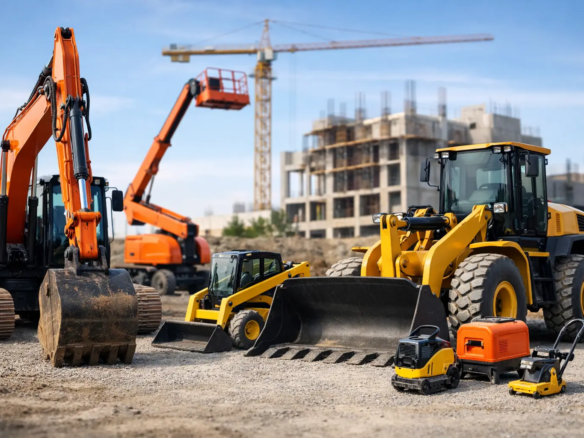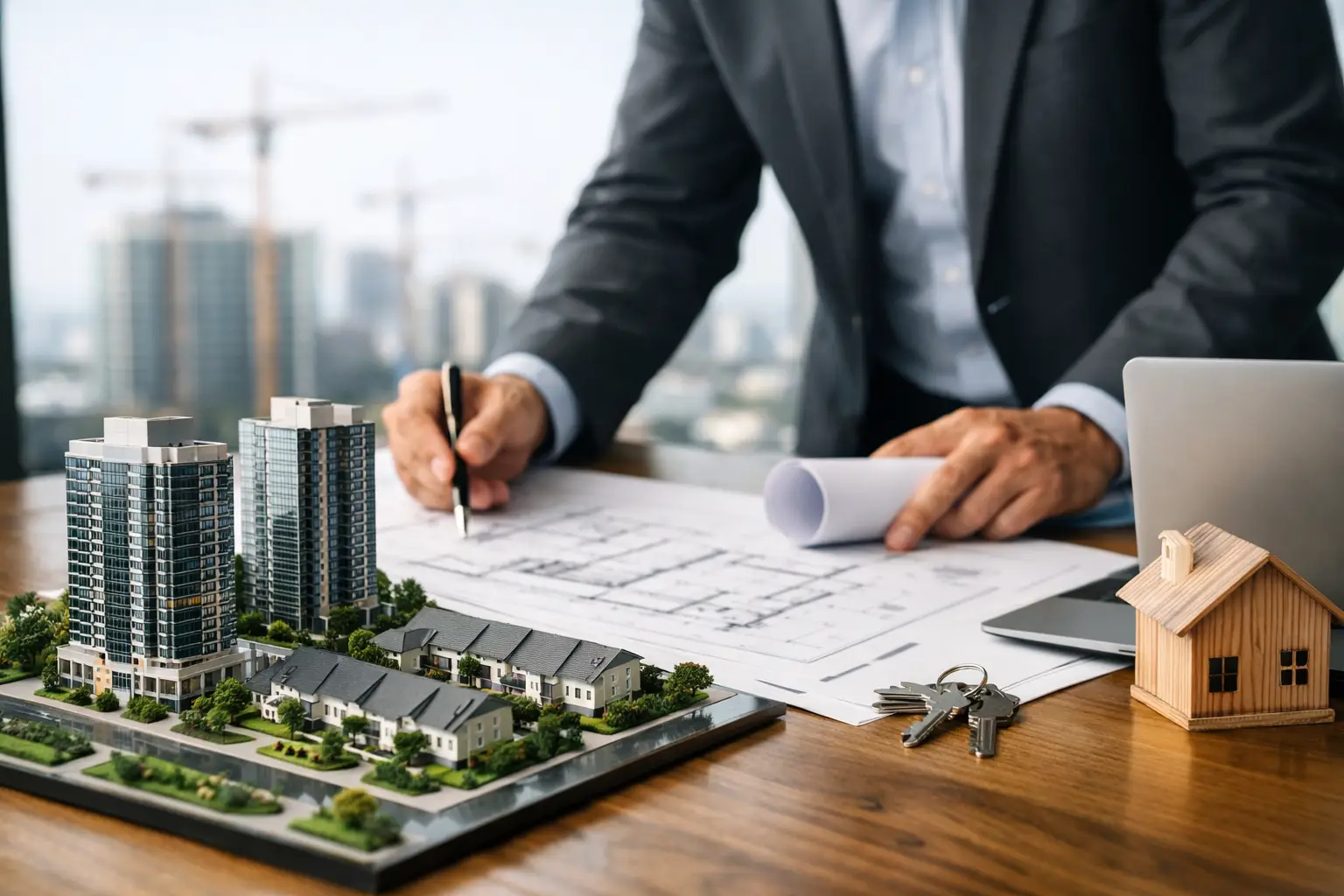
A plot of land can sit idle for years and appear to hold limited value. Then the right team steps in, secures the legal position, studies demand, plans the right use, arranges finance and turns that same site into homes, shops, offices or mixed-use assets that serve people and generate returns. That is the clearest way to understand what is property development business – it is the commercial process of transforming land or buildings into more valuable real estate.
For buyers, investors and landowners across Cameroon and the wider African market, this matters because development is not simply about building. It is about vision backed by due diligence, technical coordination and disciplined execution. When done well, it creates wealth, supports urban growth and opens access to better housing, stronger commercial corridors and more organised communities.
What is property development business in practical terms?
In practical terms, a property development business identifies opportunities in land or existing buildings and improves them so they can be sold, leased or held as income-generating assets. The developer may buy raw land, subdivide plots, secure planning approvals, install infrastructure, construct residential or commercial units and bring the final product to market.
The business can operate at different scales. At one end, it may involve a single block of flats, a few serviced plots or a small commercial renovation. At the other, it may involve estates, shopping complexes, industrial sites or larger urban schemes. The principle is the same – create value by moving a site from its current state to a more productive and marketable one.
This is why property development sits at the intersection of land, finance, construction, law, planning and sales. It is not one activity. It is a chain of decisions, each of which affects cost, risk and eventual profit.
How a property development business actually works
Most development businesses begin with site sourcing. This could mean identifying underused land, distressed assets, strategically located plots or buildings with redevelopment potential. A promising site on its own is not enough. The real question is whether that site can support the right product for the right market at the right price.
The next stage is feasibility. This is where experienced developers distinguish opportunity from guesswork. They examine title documents, land use restrictions, planning potential, access roads, infrastructure, drainage, utilities, topography, construction costs, likely selling prices and end-user demand. If the numbers do not work, a disciplined developer walks away.
Once a project is viable, the business moves into structuring and approvals. This may involve land verification, surveying, certification, design development, town planning input and financing strategy. Some developers use their own capital. Others bring in investors, lenders or joint venture partners. Capital structure matters because development ties up funds for long periods and delays can quickly erode margins.
Construction then becomes the most visible stage, but not always the most complex. By the time groundwork begins, many of the critical commercial decisions should already have been made. Build quality, contractor management, procurement, timelines and cost control now shape the outcome. At the final stage, the developer sells, leases or manages the asset depending on the business model.
The main ways developers make money
A common misconception is that developers only profit when they sell completed buildings. In reality, a property development business can generate value in several ways.
One route is land appreciation. A developer may acquire land in a growth corridor, improve its legal and planning position, add infrastructure or subdivide it, then sell plots at a significantly higher value. Another route is development margin – the difference between total project cost and the market value of the completed scheme.
Some businesses prefer recurring income over immediate sales. In that model, the developer completes residential or commercial units and holds them for rental returns and long-term capital growth. Others combine both strategies, selling part of a project to release capital while retaining selected units for future income.
This flexibility is one reason the sector attracts entrepreneurs and investors. But it also explains why the answer to what is property development business depends on the operator’s strategy. Some are land-led. Some are construction-led. Some are investment-led. The strongest businesses understand how these pieces support each other.
What makes property development different from ordinary property sales?
Property sales focus on transferring an existing asset from one party to another. Property development creates or enhances the asset first. That difference is substantial.
An estate agent may market a completed house. A developer may have sourced the land, arranged the survey, obtained approvals, coordinated architects and engineers, supervised construction and designed the pricing strategy. In other words, sales are often the final step in a much longer value chain.
This distinction matters in African markets where buyers often need more than a transaction. They need verification, guidance, planning clarity and confidence that an asset has been professionally structured. A credible development business does not merely advertise property. It reduces uncertainty around how that property came into being.
Why property development business matters in African markets
Across many African cities, population growth is outpacing formal housing supply, commercial expansion and infrastructure planning. That creates pressure, but it also creates opportunity. A well-run property development business helps close these gaps by converting land into functional assets that respond to real demand.
In Cameroon and across the region, the need is not only for more buildings. It is for better organised developments, clearer land processes, stronger technical support and more credible market participation. That is where integrated real estate firms stand out. When a business can support land acquisition, surveying, planning, construction advice, certification and asset strategy under one roof, it brings order to a market where fragmentation often causes delays and costly mistakes.
This is also why institutional credibility matters. Development projects can take months or years, involve multiple stakeholders and require significant trust. Buyers and investors want more than ambition. They want proof of process, professionalism and local understanding.
The risks behind the opportunity
Property development can be highly rewarding, but it is not easy money. The biggest risk is assuming that rising demand automatically guarantees success. It does not.
Land risk is often the first challenge. If title, boundary, ownership or certification issues are unclear, the entire project can stall before it begins. Planning risk follows closely behind. A site may look attractive, but zoning, access limitations or environmental constraints can reduce what is actually possible.
Then there is financial risk. Construction inflation, interest costs, currency pressure and delayed sales can change a profitable scheme into a weak one. Market risk matters too. If a developer builds the wrong product for the area – too expensive, too large or poorly positioned – demand may underperform expectations.
Execution risk is just as serious. Weak contractors, poor supervision, inadequate project management and unrealistic timelines can damage quality and reputation. In this business, confidence without discipline is expensive.
Who can start a property development business?
The short answer is that developers are not only large corporations. Individuals, partnerships, family businesses, investors and technical professionals can all enter the sector. The real barrier is not identity. It is capability.
Someone entering the business needs enough knowledge to assess land, understand approval pathways, read feasibility numbers and manage specialist partners. They do not need to perform every task personally, but they do need to know what good practice looks like. A surveyor, architect, contractor or investor may all become successful developers if they build the right network and maintain strong controls.
For new entrants, starting small is often wiser than starting loudly. A modest residential scheme, a plot subdivision or a targeted renovation can teach more than a grand project financed on optimism. Property development rewards patience, local insight and careful structuring.
What is property development business for an investor or buyer?
For an investor, it is a vehicle for creating value rather than waiting passively for it. For a buyer, it is the system behind how secure, planned and usable property reaches the market. For communities, it is one of the engines of urban transformation.
That is why the best development businesses are not simply builders or brokers. They are solution providers. They connect land to infrastructure, planning to demand and capital to long-term use. In markets where trust and verification shape every major property decision, that role becomes even more valuable.
At Crown Homes Holdings, this broader view of development reflects where African real estate is heading – towards integrated expertise, stronger due diligence and projects built on both opportunity and credibility.
If you are assessing your next move in real estate, ask a better question than whether a site looks promising. Ask whether it can be lawfully, intelligently and profitably transformed. That is where real development begins.